A steel rule die doesn't start on the die cutter; it starts as a drawing. Five stages turn that file into a tool built to cut, crease, and ultimately turn into the boxes that sit on the shelves of stores and on doorsteps around the world. Here's what happens at each one.


Step 1 of 5
Design
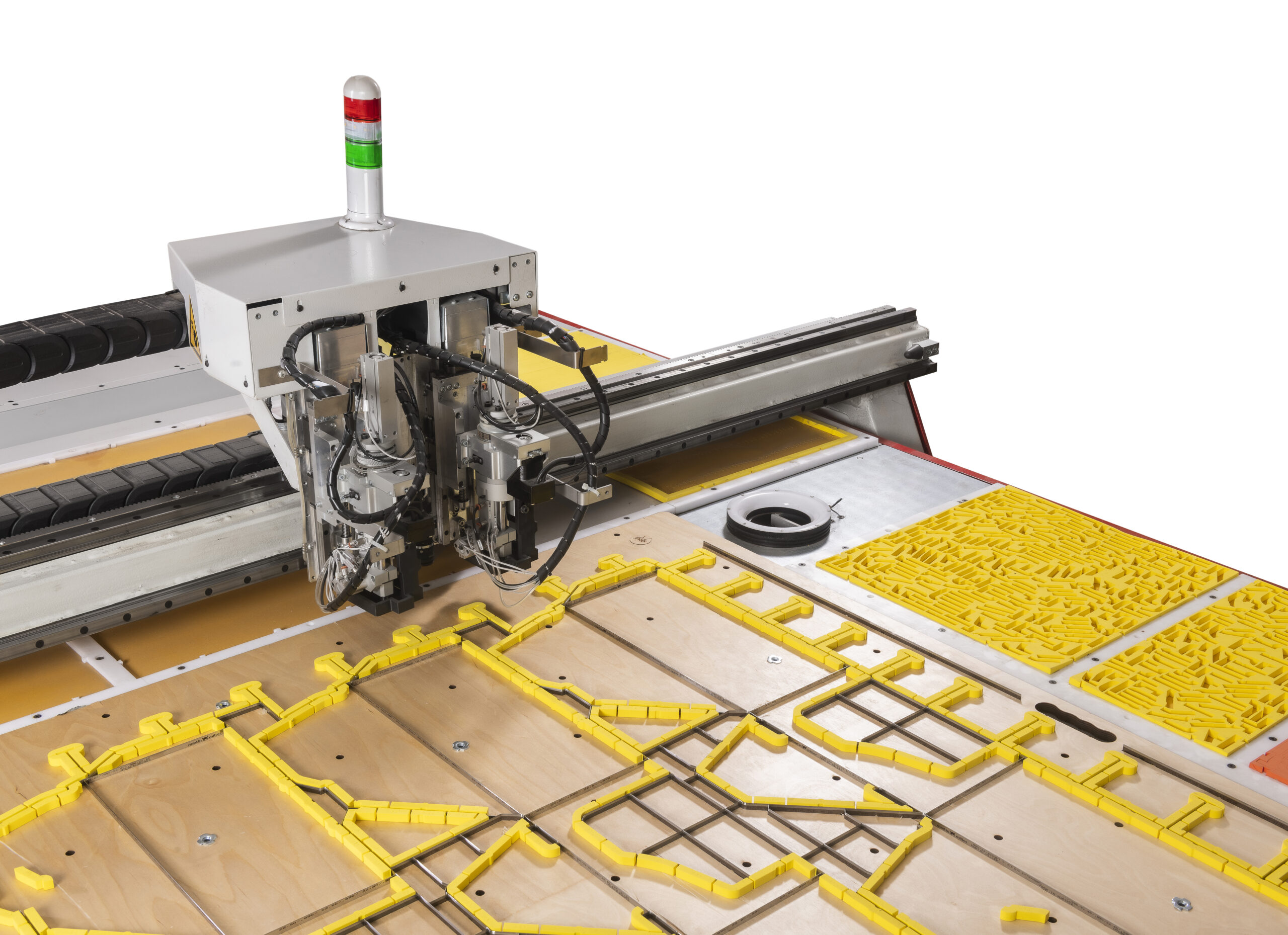
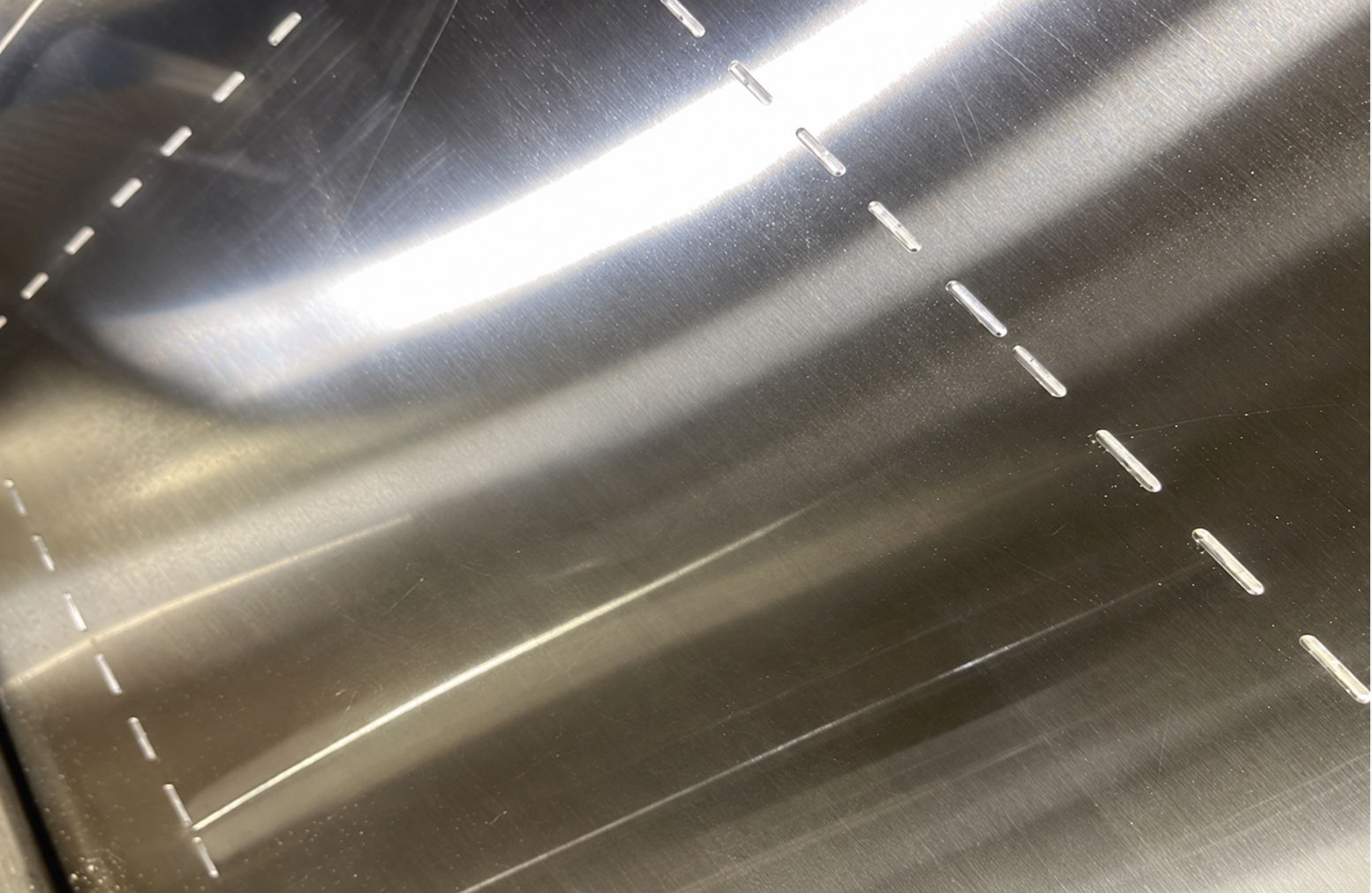
Every box starts as a converter's design. That file becomes a CAD drawing — one layer for every cut, crease, and perforation the die will need to make.
Design · Cut · Rule · Rubber · Finish
Common questions
Pick the area you're asking about.
Cutting rule has a sharp edge that cuts through the board. Creasing rule is blunt — it scores the board so it folds cleanly instead of cutting through.
Rubber cushions the blade during the cut and pushes the finished blank back out of the die after each stroke, so the sheet doesn't jam on the rule.
A counter plate sits opposite the die on press and applies even pressure back against the crease, so folds come out sharp instead of soft.
Steel rule comes in a few standard thicknesses, or points. The right one depends on the board being cut, the height needed, and how tight the die's layout is.
A laser, like Cutlite Penta's machines, burns the channel into the board with no physical tool touching it — that keeps the channel walls clean and precise. A router cuts mechanically with a spinning bit, which wears over time and needs more upkeep.
A bender takes flat steel rule and bends, notches, and shapes it to match the CAD file — every corner, curve, and nick cut to the die's exact layout.
It cuts rubber strips to length and feeds them into the channels around the rule automatically, instead of a diemaker cutting each piece by hand.
It mills counter plates to match the die's layout, so the counter lines up exactly with the rule when the two come together on press.
It depends on the design — how many cuts and creases, and how much rule needs to be bent — but automated cutting, bending, and rubbering machines cut that time down significantly compared to doing it by hand.
A rotary die is curved to wrap around a cylinder on a rotary press, built for continuous high-speed runs. A flatbed die is flat and runs on a flatbed press, more common for shorter runs and heavier board.
Yes — board thickness and material affect rule height and channel depth, so a die built for corrugated won't necessarily run the same on folding carton without adjustment.