
What Keeps Die Shops Running? The Answer Is Expert Service
Need fast support for your Serviform diemaking equipment? Our factory-trained techs, like Matt, deliver real-time remote help and ...

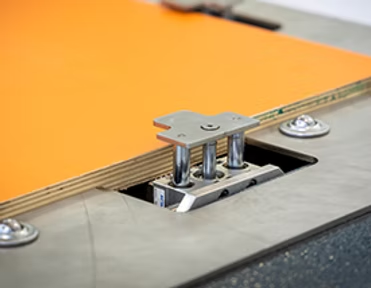
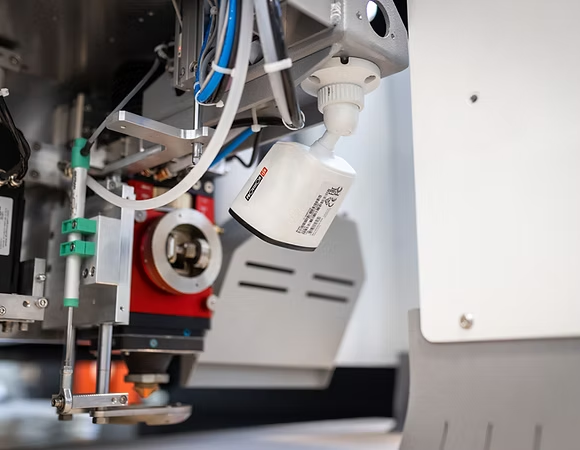
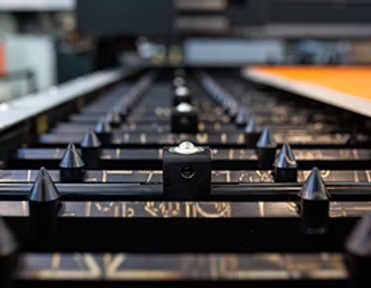
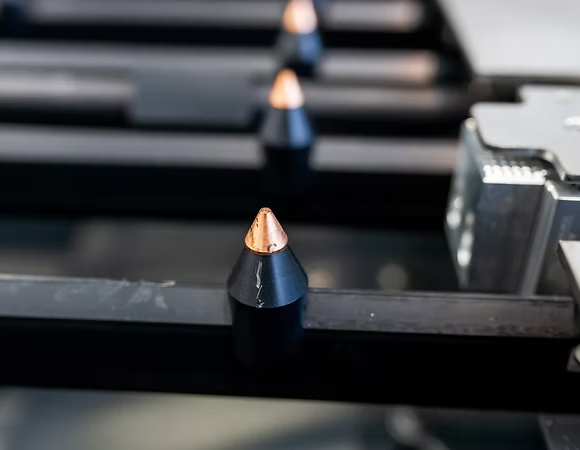
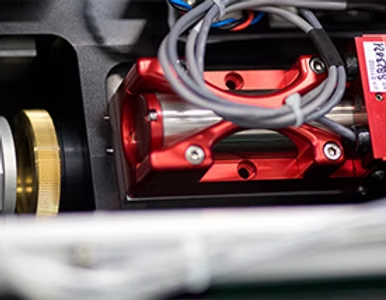



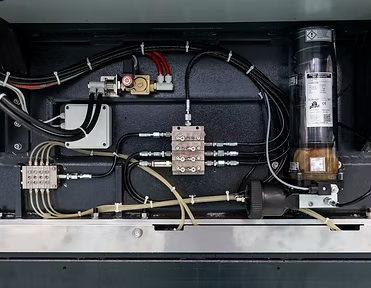
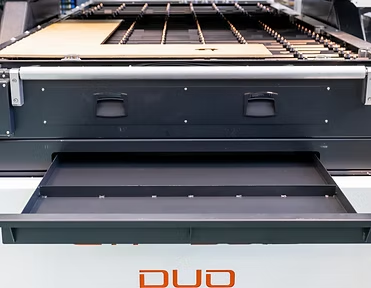
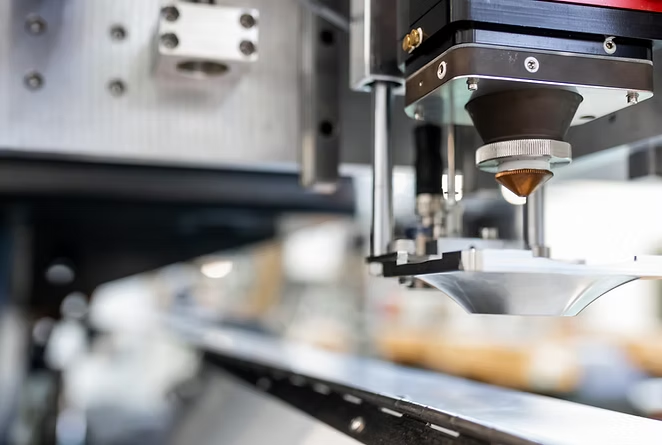
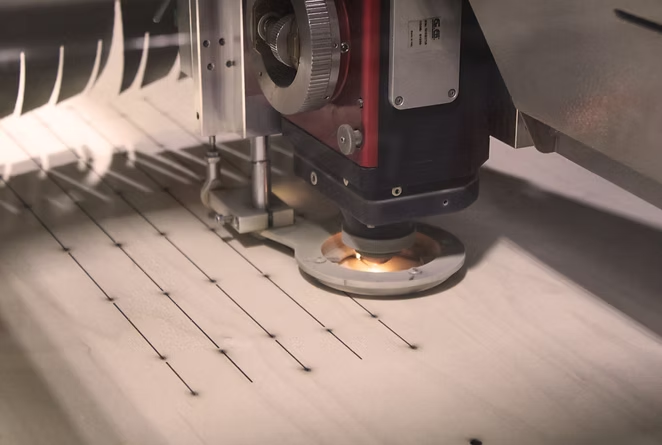
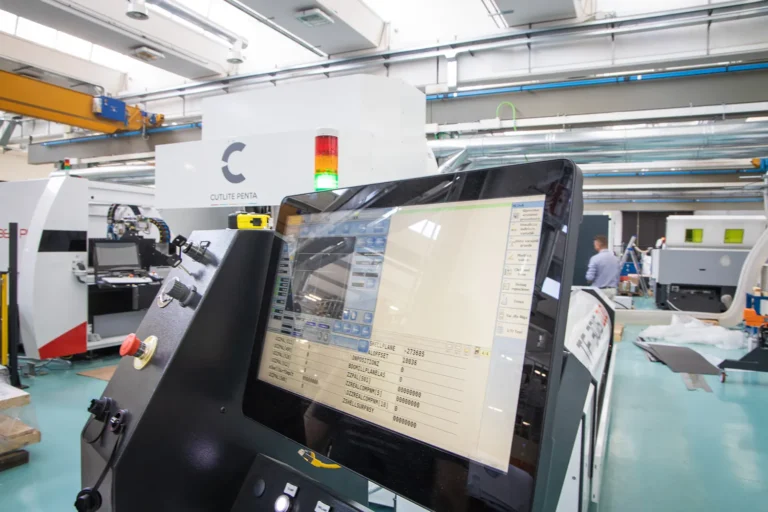


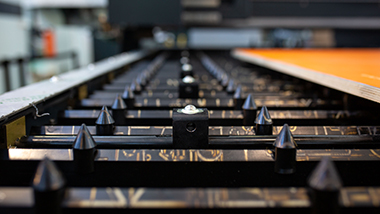


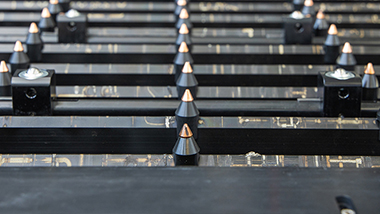
The Cutlite Penta LTFP is a high-production flatbed CO2 laser cutting system designed for professional die shops and high-volume in-house die departments. It combines large cutting tables, industrial-duty construction, and magnetic linear drive technology to deliver exceptional cutting accuracy under continuous production. Unlike entry-level flatbed lasers, the LTFP is engineered for shops that expect their laser to run every day, often across multiple shifts.
The LTFP is the workhorse of the Cutlite Penta flatbed laser lineup. It is ideal for:
If your current laser is becoming a bottleneck—or you're purchasing a machine that needs to support your business for years to come—the LTFP is designed for that level of production.
The primary differences are capacity, duty cycle, and motion technology.
The LTF is designed as an entry point into industrial flatbed laser cutting for lower-volume production.
The LTFP is built for significantly higher throughput and includes:
For smaller shops or lower production volumes, explore the LTF. If your operation also produces rotary dies, consider the LTF DUO.
One of the LTFP's biggest advantages is its magnetic linear drive system.
Magnetic linear drives move the machine's axes with less mechanical friction than conventional motion systems. Reducing friction helps minimize wear on the motion system, which is especially important for a machine running long hours or multiple shifts.
The benefits include:
Cutlite Penta was an early adopter of magnetic linear drive technology in die-making laser systems, making it a defining feature of the LTFP for high-production shops.
The LTFP is engineered for up to three shifts per day, making it well suited for full die shops and high-volume in-house die departments.
Its heavy-duty construction and magnetic linear drive technology are designed to support continuous production while maintaining cutting accuracy under demanding workloads.
If your production requirements are lower, the LTF may be a better fit for your operation.
Yes. For the right production environment, the LTFP can replace multiple traditional die-cutting tables while increasing overall capacity.
In one field application, a single LTFP outpaced two traditional die-cutting tables that were already running at full capacity.
Consolidating production onto a high-capacity laser can help:
For shops that have reached the limits of traditional equipment, the LTFP can provide a significant step up in production capacity.
The LTFP is available with laser power configurations ranging from 1000 W to 3000 W, allowing shops to match the laser source to their production requirements.
Laser power affects factors such as cutting speed, throughput, operating cost, and overall machine investment.
Contact us to discuss your production volume, materials, and application so our team can recommend the right LTFP configuration for your shop.
Yes, especially for large in-house operations with production demands similar to a full commercial die shop.
Many converters support multiple plants from a centralized die department, creating high daily tool counts and significant cutting volume. When existing equipment is running at capacity, the LTFP provides the throughput and durability needed to bring more production in-house.
For lower-volume in-house operations, the LTF may provide a more appropriate entry point into flatbed laser cutting.
The LTFP is the right choice if:
If you're a smaller shop or are purchasing your first production laser, the LTF offers the same Cutlite Penta cutting quality in a more compact, lower-volume platform.
If your operation regularly cuts oversized folding carton or corrugated die boards, or heavy steel sheets, the OF is the better choice. Its side-mounted laser source keeps the loading side open, making it easy to load large-format materials without feeding them beneath a gantry.
For most commercial die shops producing standard-format tooling, however, the LTFP provides the ideal balance of production capacity, cutting accuracy, and floor space efficiency.
Serviform America supports LTFP customers throughout the machine lifecycle, from selecting the right configuration through installation, training, service, and ongoing technical support.
Our support includes:
Our goal is to help customers maximize uptime, maintain production quality, and get the most value from their equipment over the long term.
Contact us to discuss your application or speak with our equipment team about the LTFP.