Die Making 101: What Goes Into a Steel Rule Die
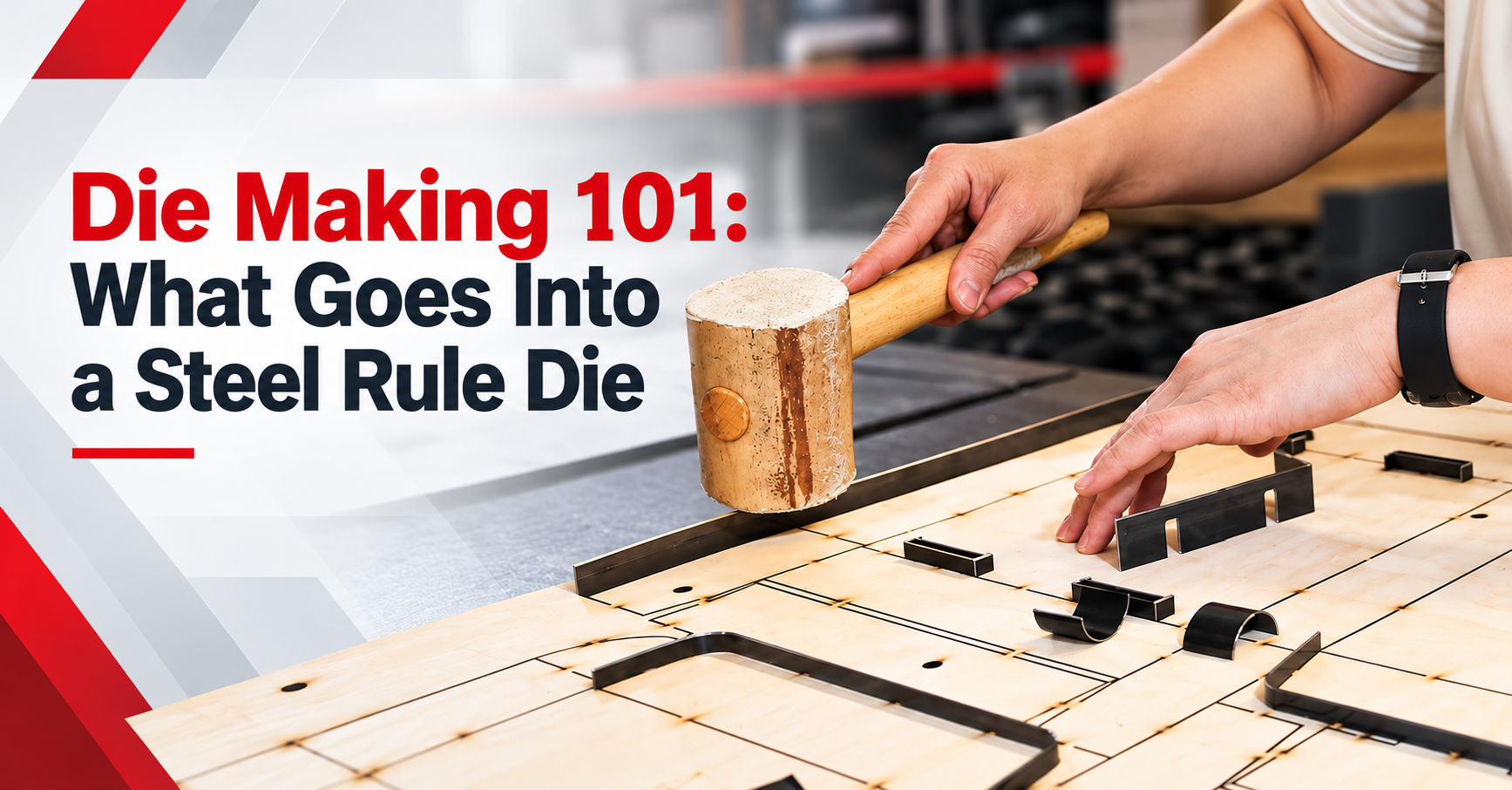
A steel rule die is a tool built from four main parts: a die board, steel rule, rubber, and a matching counter plate. Together they cut and crease flat sheets of board into the shapes that become boxes.
Here’s what each part does.
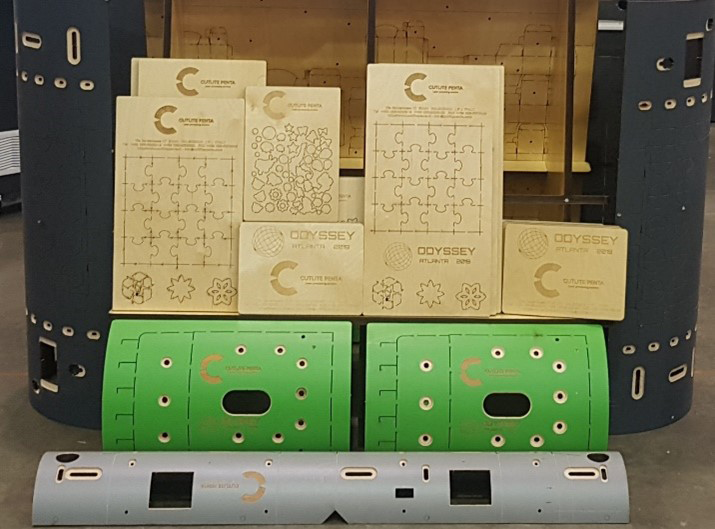
The Die Board
The die board is the foundation. Kerf is cut into it to hold the steel rule in place, following the CAD drawing of the box. A laser burns the kerf with no tool contact, which keeps the walls clean and precise. A router cuts them mechanically with a bit that wears over time.
Board thickness and material affect rule height and channel depth, so a die built for corrugated won’t necessarily run the same on folding carton without adjustment.
Steel Rule: Cutting vs. Creasing
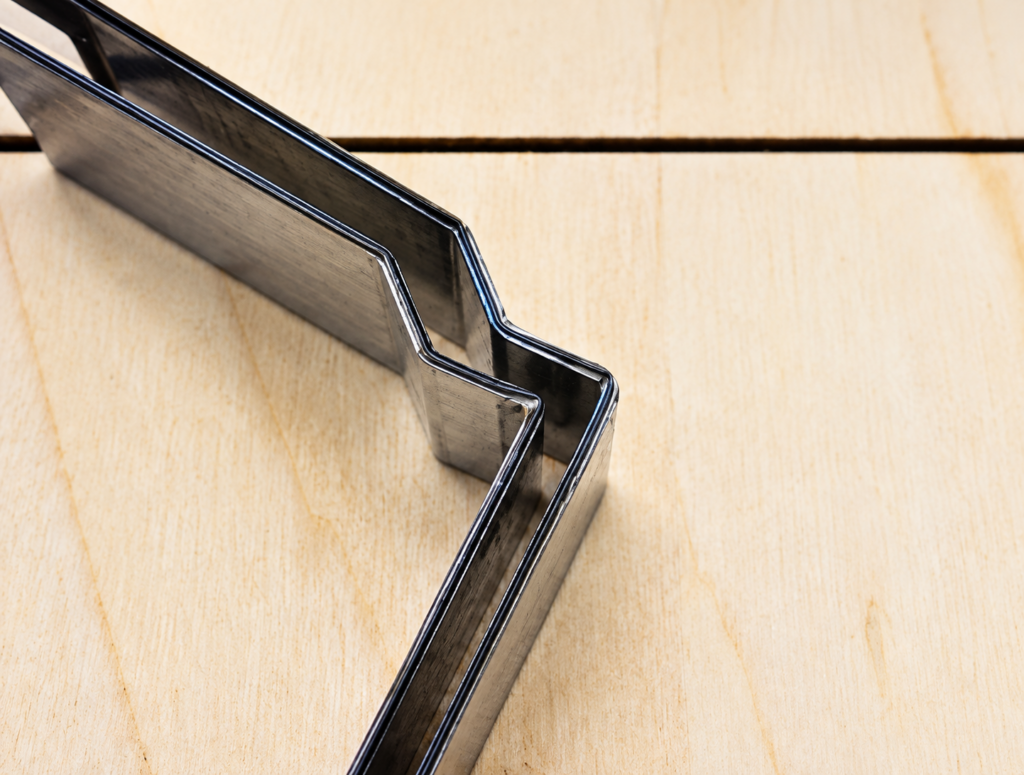
Steel rule does the work on press, and it comes in two types:
- Cutting rule has a sharp edge that cuts through the board.
- Creasing rule is blunt. It scores the board so it folds cleanly instead of cutting through.
Rule comes in standard thicknesses, called points. The right one depends on the board being cut, the height needed, and how tight the die’s layout is. A rule bender shapes the flat rule to match the CAD file’s corners, curves, and nicks.
Rubber
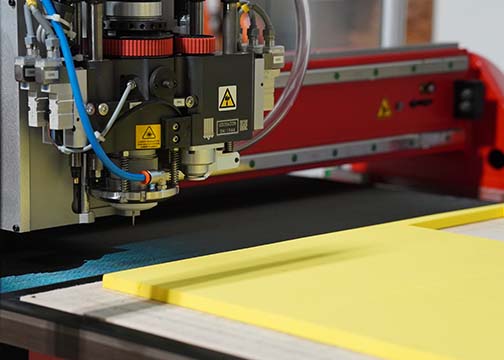
Rubber sits in the channels around the rule. It cushions the blade during the cut and pushes the finished blank back out of the die after each stroke, so the sheet doesn’t jam on the rule.
The Counter Plate
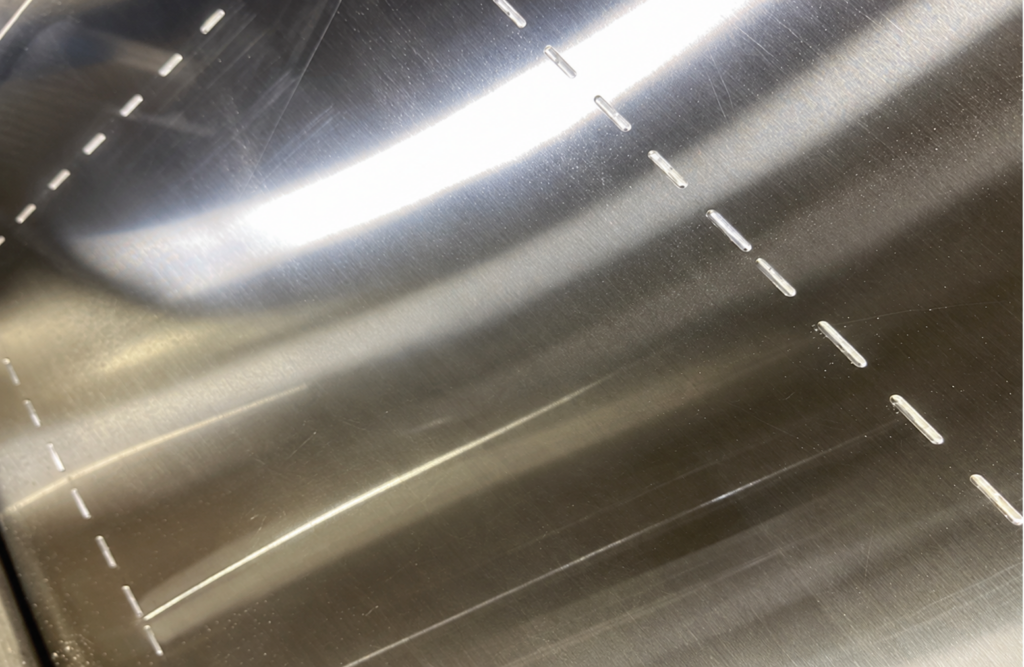
The counter plate sits opposite the die on press and applies even pressure against the creasing. That’s why folds come out sharp instead of soft.
See How a Die Is Made, Step by Step
Now that you know the parts, see how they come together, from CAD drawing to finished tool. Check out our page on how a steel rule die is made for the full guide.